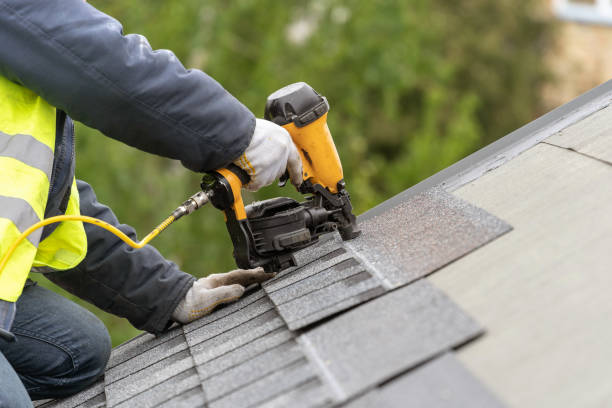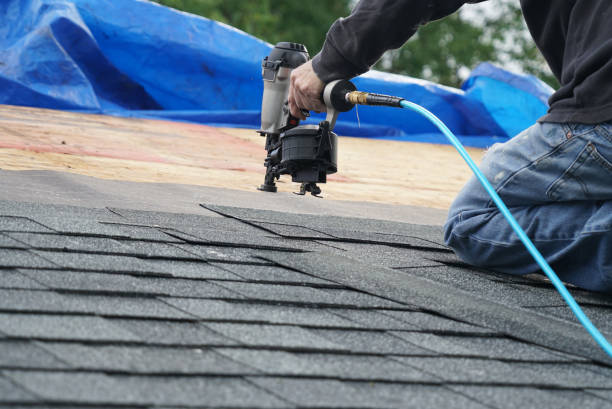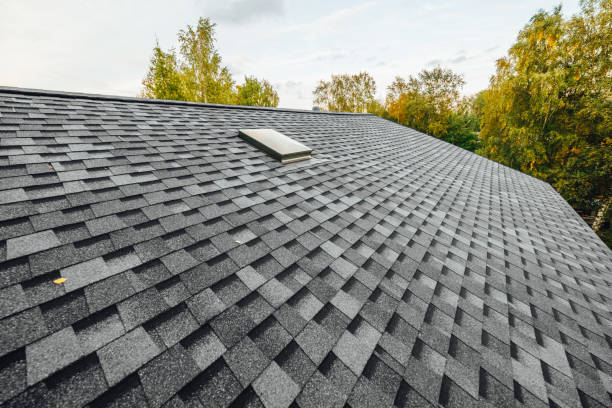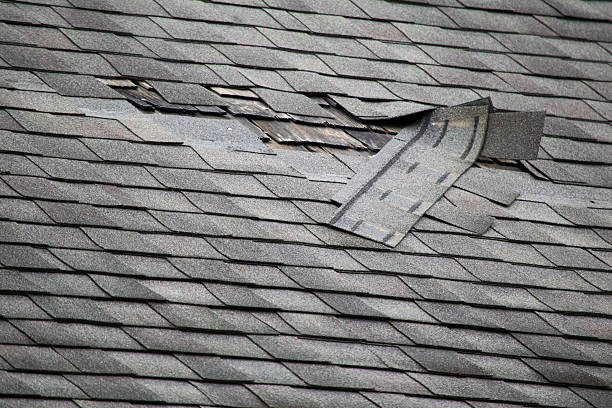
Recognizing when your roof needs replacement is essential for maintaining the safety, efficiency, and value of your home. While some roofing issues can be addressed with repairs, others may indicate that a complete replacement is necessary. Below are common signs every homeowner should be aware of when it comes to assessing the integrity of their roof.
Visible Damage to Shingles
Shingles are your roof’s first line of defense against the elements.
- Cracked or curling shingles:These indicate aging and exposure to weather elements over time.
- Missing shingles:Significant gaps in shingle coverage leave your roof vulnerable to water damage.
- Granule loss:If you find granules in gutters or downspouts, it’s a sign that asphalt shingles have deteriorated.
Persistent Leaks and Water Damage
Water damage inside your home often stems from roofing problems.
- Stains on ceilings or walls:These could indicate water infiltration through the roof structure.
- Mold or mildew growth:Excessive moisture caused by leaks fosters mold development, which is harmful to both the structure and household health.
- Sagging areas in the ceiling or roofline:This points to structural weakness and potential rot underneath roofing layers.
Age of Your Roof
| Roofing Material | Average Lifespan | Replacement Recommendation |
| Asphalt Shingles | 20–30 years | Replace if nearing end-of-life |
| Metal Roofing | 40–70 years | Inspect regularly after 40 years |
| Wood Shingles/Shakes | 25–30 years | Watch for rot after 20 years |
| Clay/Concrete Tiles | 50+ years | Inspect underlayment periodically |
| Slate Roofing | Up to 100 years | Ensure proper maintenance |
If your roof is nearing its expected lifespan, even minor issues could signal that a full replacement is more cost-effective than ongoing repairs.
Structural Problems
A weakened structure can compromise not only your roof but also other parts of your home.
- Visible light through attic spaces (indicating gaps in coverage)
- Severe storm damage, such as large fallen branches puncturing multiple layers
Increased Energy Bills
Higher-than-normal heating or cooling costs may point to poor insulation caused by an aging or damaged roof. If energy inefficiency persists despite efforts like sealing windows and doors, take a closer look at whether an old or poorly installed roofing system could be contributing.
Replacing a failing roof is an investment in both safety and property value. By proactively identifying these common warning signs, homeowners can avoid costly repairs down the road while ensuring their home remains protected from outside elements.
Top Signs It’s Time for a Complete Manchester NH Roofing Replacement
However, even the most well-maintained roof doesn’t last forever.
Factors That a Roofer Manchester NH Considers When Assessing Your Roof’s Age
| Roofing Material | Average Lifespan |
| Asphalt Shingles | 20-30 years |
| Metal Roofing | 40-70 years |
| Clay or Concrete Tiles | 50+ years |
| Wood Shingles or Shakes | 20-25 years |
| Slate Roofing | 75-100+ years |
If your roof is nearing or has exceeded its expected lifespan, it might be time to plan for a replacement.
Signs You Need Roof Installation Manchester NH: Visible Damage and Deterioration
Inspect your roof for visible damage that could compromise its functionality.
- Cracked, curled, or missing shingles:These are clear signs that your shingles can no longer provide adequate protection.
- Granule loss:Check gutters and downspouts for granules from asphalt shingles, as excessive loss indicates aging and wear.
- Sagging areas:A sagging roof may signify structural issues that require immediate attention.
Signs You May Need Roof Replacements Manchester NH for Leaks and Water Damage
Water intrusion is one of the most obvious signs of a failing roof.
- Stains on ceilings or walls
- Mold or mildew growth in the attic
- Dripping water during rainstorms
Persistent leaks often mean the roofing system has deteriorated beyond repair.
If you notice increased energy bills without changes in usage patterns, your roof might be contributing to poor insulation and ventilation. A damaged or aging roof can allow heat to escape in winter or enter in summer, forcing HVAC systems to work harder.
Severe weather events such as hailstorms, high winds, or heavy snowfall can cause significant damage to your roofing system.
- Dented metal panels
- Missing shingles
- Damaged flashing around chimneys and vents
Even minor storm-related issues can worsen over time if not addressed promptly.
When Repairs Are No Longer Enough
While minor issues like isolated leaks or loose shingles can often be repaired, frequent repairs are often a sign it’s more cost-effective to replace the entire system.
Questions To Ask Yourself:
- Are repairs becoming more frequent?
- Is over half of the roofing area damaged?
- Are existing problems negatively affecting other parts of the home?
If you find yourself answering “yes” to these questions, it’s likely time for a full replacement.
Replacing your roof can feel like a daunting task but addressing these signs early helps ensure safety, energy efficiency, and peace of mind at home while preventing further costly complications down the road.
Signs It’s Time for a Complete Roof Replacement
Over time, wear and tear can compromise its integrity. Knowing when a complete roof replacement is necessary can save you from costly repairs and damage to your property.
– Cracked or curling shingles: This is often caused by prolonged exposure to harsh weather conditions.
– Missing shingles
– Granule loss: If you see granules in your gutters or around your property, it’s a sign that shingles are deteriorating.
Water stains on ceilings or walls often result from leaks caused by roofing problems.
– Dark spots on ceilings or drywall. – Mold growth around corners and edges. – Persistent dripping during rainstorms.
If water issues are recurring, this could indicate that simple repairs may no longer suffice, and a full replacement might be warranted.
A sagging roof is a clear indication of structural problems beneath the surface.
– Compromised decking due to prolonged water exposure. – Weakening support beams over time.
If left unattended, these problems could lead to severe structural failures.
| Structural Issue | Possible Cause | Replacement Needed? |
| Sagging areas | Water-damaged decking | Yes |
| Uneven appearance | Poor installation | Likely |
| Drooping along edges | Aging materials | Possibly |
Most roofing materials have an expected lifespan depending on their type: – Asphalt shingles: 20–30 years – Metal roofs: 40–70 years – Clay tiles: Up to 100 years with proper maintenance
If your roof has reached or exceeded its typical lifespan, even without visible damage, it may be wise to replace it proactively.
If heating and cooling costs seem unusually high despite regular HVAC maintenance, heat loss through the roof could be part of the problem.
While moss and algae may seem harmless aesthetically, they can trap moisture against roofing materials, accelerating their deterioration over time.
To prevent further damage: – Remove moss promptly using appropriate cleaning solutions. – Consider replacing older roofs where moss has caused underlying harm.
Regular inspections by professional roofing contractors can help detect these signs early and provide guidance on whether repair work will suffice or if replacement is necessary for long-term durability and safety.
A roof is one of the most critical components of a home, yet it often goes unnoticed until problems arise. Scheduling regular roof inspections with professional roofers is vital for maintaining the longevity and functionality of your roofing system. This proactive approach helps homeowners save money, avoid costly repairs, and ensure their homes remain safe.
Benefits of Regular Roof Inspections
- Early Problem Detection
Regular inspections allow professionals to identify minor issues before they turn into significant problems. - Loose or missing shingles
- Leaks or water damage
- Cracked flashing and worn sealant
- Signs of mold, mildew, or rot
- Extending Roof Lifespan
- Enhanced Energy Efficiency
A well-maintained roof ensures proper insulation and ventilation, which contributes to better energy efficiency. Professionals can identify gaps or areas needing improvement to reduce energy costs. - Preventing Structural Damage
Inspections ensure leaks are fixed promptly, reducing the risk of foundational damage.
How Often Should You Schedule Roof Inspections?
The frequency of inspections depends on several factors: | Inspection Frequency | Ideal Scenarios | |———————–|—————————————————————-| | Twice a Year | For most homes: once in spring after winter storms, and once in fall before harsh weather conditions begin | | After Major Weather Events | Following storms with heavy rain, hail, wind, or snow to identify any immediate damage | | Annually | For newer roofs without significant exposure to extreme weather |
What Does a Professional Inspection Involve?
- Checking for damaged or missing shingles
- Inspecting flashing around chimneys, vents, or skylights
- Examining gutters for debris buildup and proper drainage
- Identifying signs of mold growth or water pooling
- Evaluating attic insulation and ventilation systems
Professionals have access to specialized tools such as infrared cameras that detect hidden moisture issues beneath roofing materials. This comprehensive evaluation ensures no underlying problem is overlooked.
Why Choose Professional Inspectors?
While some homeowners attempt DIY roof checks using binoculars from ground level, this approach may miss critical details visible only during close-up evaluations.
- Expertise in identifying potential risks specific to different roofing materials (e. g. , asphalt shingles vs.
- Safe practices when navigating steep slopes or high altitudes
- Accurate assessments backed by experience in handling various types of roofing systems
Final Thoughts on Roof Inspections
Scheduling regular inspections with qualified roofers offers peace of mind by ensuring your home’s topmost defense against weather elements remains in peak condition. Investing in preventative maintenance may not only save you from unexpected repair bills but also preserve the value and safety of your property over time.
Regular roof inspections are a crucial aspect of home maintenance. Many homeowners overlook this step, but proactive inspections help ensure the longevity of a roof, prevent costly repairs, and protect one of the most important investments—your home. Below, we’ll explore why scheduling regular roof inspections with professionals is essential.
Benefits of Professional Roof Inspections
- Early Detection of Problems
Roof damage isn’t always obvious. Issues such as small leaks, worn shingles, or weakened flashing can develop into significant problems if unnoticed. Professional inspections are designed to identify these minor concerns before they escalate. - Prevent Costly Repairs
Routine inspections help minimize these risks by addressing problems early. - Extends Roof Lifespan
Regular maintenance directly impacts how long your roof lasts. By identifying areas that need attention—such as replacing damaged shingles or reinforcing sealing—professionals can prolong the life of your roofing system. - Improved Energy Efficiency
Inspectors assess your roof’s integrity to ensure it plays its part in maintaining energy efficiency within your home. - Insurance Compliance
Some insurance policies require regular maintenance records for coverage related to roofing damage claims. A professional inspection provides documentation that proves your commitment to proper upkeep.
What Does a Roof Inspection Include?
| Inspection Area | What Professionals Look For |
| Shingles | Missing, warped, cracked, or curling shingles |
| Flashing | Worn-out or improperly installed flashing around vents and chimneys |
| Gutters & Downspouts | Debris buildup, rusting, and proper water flow |
| Roof Decking | Signs of sagging or structural weakness |
| Ventilation | Proper airflow and signs of blocked vents |
| Leaks & Moisture | Evidence of water stains on ceilings or attic walls |
How Often Should You Schedule an Inspection?
- After Severe Weather Events: Strong winds, hailstorms, snow accumulation, and heavy rain can cause immediate damage even if not visible from the ground.
- Seasonal Changes: Inspecting before winter (to check for vulnerabilities) and after it ends ensures your roof remains in optimal condition year-round.
- Routine Maintenance Schedule: It’s recommended to have professional inspections at least once every 1-2 years for most residential roofs.
Why Choose Professionals Over DIY Inspections?
- They have access to advanced tools for detecting hidden issues such as moisture meters or thermal imaging devices.
- Professionals understand local building codes and industry standards.
- Safety measures are implemented when navigating rooftops that might be inaccessible or hazardous for untrained individuals.
Final Thoughts
Scheduling routine professional roof inspections is an investment in the health and longevity of your home’s structure. By identifying hidden problems early on and keeping up with necessary maintenance tasks, you avoid unexpected surprises while safeguarding both your property value and peace of mind over time.
Understanding the Process of Hiring a Professional Roofer for Your Project
Hiring a professional roofer is a critical step in ensuring the success and longevity of your roofing project. Whether you’re replacing a roof, addressing minor repairs, or scheduling routine maintenance, working with the right contractor can make all the difference. Below, we break down essential steps and considerations to help you navigate this process effectively.
https://www.manchesterroofing.net/
To start your search for a professional roofer:
– Ask for referrals:Reach out to friends, family, or neighbors who have had roofing work done recently. Their firsthand experiences can provide valuable insights into the quality of services offered by local contractors.
– Read online reviews:Use platforms like Google Reviews, Yelp, or the Better Business Bureau (BBB) to evaluate customer feedback. Look for patterns in reviews that mention punctuality, professionalism, communication, and craftsmanship.
– Verify credentials:Check if potential contractors are licensed and insured in your state or region to ensure they meet industry standards.
Before making your decision, obtain at least three quotes from different roofing contractors.
– The range of pricing for your project
– Variations in materials being used
– Expected timelines for completion
Be wary of significantly low estimates as they might indicate subpar materials or shortcuts being taken during installation.
It’s essential to choose a roofer with substantial experience handling projects similar to yours.
– How long have they been in business?
– Do they specialize in specific roofing types (e. g. , asphalt shingles, metal roofs)?
– What kind of warranties do they offer on both materials and labor?
Experienced roofers often bring valuable problem-solving skills and technical knowledge that newer companies may lack.
Before signing any agreement:
– Ensure all aspects of the project are documented clearly in writing. This includes costs, timelines, payment schedules, warranties/guarantees, scope of work specifics (such as material types), and cleanup responsibilities post-completion. – Confirm who will pull necessary permits if required by local regulations.
Avoid verbal agreements as they lack enforceability should disputes arise later on.
Confirm that the contractor has adequate liability insurance coverage along with worker’s compensation insurance for their crew members: | Insurance Type | Purpose | |——————————|————————————————————————| | Liability Insurance | Covers damage caused by accidents during project execution | | Worker’s Compensation | Protects you from liability should a worker get injured on-site |
Request copies of these policies before allowing any work to begin on your property.
Ask contractors if you can contact past clients they’ve worked with on similar projects. Speaking directly with prior customers helps validate claims made during consultations about service quality or reliability.
Questions you might ask references include:
– Was the project completed within budget?
– Did the crew maintain cleanliness around their property while working?
– Were there any delays or unexpected complications?
A good roofer maintains open communication throughout every stage of your project—from initial consultations through final inspections post-installation: – They should provide regular updates regarding progress made. – You should feel comfortable asking questions without hesitation at any point during construction phases.
By taking these proactive measures outlined above when hiring professional roofers ensures not only peace-of-mind but high-quality results reflecting homeowner investment efforts thoroughly well-spent
Top Reasons Why Homeowners Should Invest in Quality Roofing Materials
Choosing the right roofing materials is one of the most important decisions homeowners face when it comes to maintaining their property. Here are the top reasons why investing in quality roofing materials is essential for every homeowner.
High-quality roofing materials are designed to withstand extreme weather conditions, including heavy rain, strong winds, hail, and prolonged exposure to sunlight. Unlike cheaper options that may degrade quickly under such conditions, premium materials offer durability that can last decades longer.
Examples of Long-Lasting Materials: | Material | Average Lifespan | Key Features | |——————|——————|—————————————–| | Asphalt Shingles | 20-30 years | Affordable, resistant to moderate weather | | Metal Roofing | 40-70 years | Highly durable, energy-efficient | | Clay Tiles | 50+ years | Fire-resistant, elegant appearance | | Slate Roofing | 75-100+ years | Extremely durable, natural aesthetic |
By opting for premium options like metal or slate roofing, you minimize repair costs over time and reduce the likelihood of needing a full replacement prematurely.
Investing in top-tier roofing materials can significantly impact your home’s energy efficiency. Many modern roof systems are designed to reflect solar heat rather than absorbing it, which helps regulate indoor temperatures and reduces reliance on air conditioning during hot months.
Energy-Efficient Materials to Consider: – Metal Roofs:Reflective coatings help maintain cooler homes.Cool Roof Shingles:Specifically designed with reflective granules.Green Roof Systems:Incorporate vegetation for natural insulation.
These choices not only lower utility bills but also contribute to an eco-friendly home by reducing your carbon footprint.
The roof is one of the first features people notice about a home. High-quality materials provide a polished look that elevates curb appeal and increases property value. For homeowners planning to sell their house in the future, an investment in visually appealing roofing can yield substantial returns.
Popular materials for aesthetic enhancement include: – Wood Shakes or Cedar Shingles:Timeless appearance suitable for rustic or traditional homes.Clay or Concrete Tiles:Available in various shapes and colors to complement Mediterranean or modern styles.Architectural Asphalt Shingles:Offer texture and dimension while remaining budget-friendly.
Although quality roofing materials may involve higher upfront costs compared to standard options, they often save money over time due to reduced maintenance needs and fewer repairs. Additionally: – Longer warranties often accompany high-grade products. – Proper installation enhances performance longevity.
When paired with professional installation by experienced roofers, premium materials deliver excellent value by minimizing ongoing expenses.
Inferior roofs are more prone to leaks and structural damage caused by storms or fluctuating temperatures. High-quality roofs offer better resistance against: – Wind uplift during storms. – Ice dams forming during winter months. – UV degradation from prolonged sun exposure.
This enhanced protection ensures peace of mind while safeguarding your home’s structure from costly damages caused by water infiltration or temperature extremes.
Final Thoughts
Investing in quality roofing materials is a decision that pays dividends not only for immediate performance but also for long-term savings and durability. By choosing reliable products tailored to your climate needs and aesthetic preferences, you’ll create a safer environment while enhancing your property’s overall value. Always work with trusted professionals who can guide you through selecting appropriate materials and ensure proper installation practices are followed for maximum benefit.
How to Choose the Right Roofing Contractor for Your Next Project
Selecting the ideal roofing contractor is a crucial step in ensuring your roof is installed or repaired correctly, safely, and within budget. Whether you’re planning a new roof installation or a repair project, here are essential factors to consider when choosing the right roofing contractor.
Verify Licenses and Insurance
Hiring a licensed and insured roofing contractor protects you from liabilities and ensures compliance with local building codes.
– Holds the necessary licensesrequired by your state or municipality.
– Carries general liability insuranceto cover property damage and injuries on-site.
– Provides workers’ compensation insurancefor their employees.
Request copies of these documents and verify their validity with relevant authorities.
Check Experience and Track Record
Experience matters in roofing projects because it reflects skill level and familiarity with various roofing materials, designs, and weather conditions.
– A minimum of 5 years of experience in the industry.
– Expertise in handling projects similar to yours (e. g. , asphalt shingles, metal roofs).
Ask for references or a portfolio of completed projects to gauge their quality of work.
Ask About Warranties
A reliable contractor should provide warranties covering both their workmanship and the materials used.
– Offer at least 10 years of workmanship warranty.
– Use roofing materials backed by manufacturer warranties.
Ensure you understand what is covered under these warranties before signing any agreements.
Compare Estimates and Pricing
While affordability is important, choosing the lowest quote isn’t always cost-effective in the long run.
1. Comprehensive written estimates outlining labor costs, material prices, and project timelines. 2. Mid-range pricing that balances quality work with reasonable costs. 3. Avoiding unusually low bids as they may indicate substandard materials or inexperienced workers.
| Contractor Name | Years of Experience | Warranty Offered | Estimated Cost | Reviews/References |
| Contractor A | 10+ | 15 years | $15,000 | Excellent |
| Contractor B | 7 | 5 years | $12,000 | Good |
| Contractor C | 3 | None | $8,000 | Poor |
Evaluate Reviews and Reputation
Online reviews provide valuable insight into a contractor’s reliability, professionalism, and quality of work.
– Google Reviews or Yelp for unbiased customer feedback. – Ratings from organizations like the Better Business Bureau (BBB).
You can also ask neighbors or friends for personal recommendations based on their experiences.
Ensure Clear Communication
Effective communication sets the foundation for successful collaboration during your project.
– Responds promptly to inquiries. – Explains timelines clearly. – Addresses concerns professionally without avoiding difficult questions.
Schedule an initial consultation to assess how well they communicate expectations.
Taking these steps will help ensure that you hire a qualified professional who meets your needs while protecting one of your home’s most valuable assets: its roof.
- When to Hire a Roofing Contractor Manchester NH: Common Signs Your Roof Needs Replacement
- Manchester NH Roofing: Comprehensive Guide to Roof Overlays, Costs, Benefits, and Functions
- Expert Roofing Services by a Trusted Roofer Manchester NH for Your Home
- 8 Ways a Roofing Contractor Manchester NH Can Help You Decide to Repair or Replace Your Roof
- 12 Important Steps of a Roof Replacement Process Every Homeowner Should Know with a Roofing Contractor Manchester NH
- What Every Homeowner in Manchester NH Should Know About Roofing Installation and Replacement